What Are the Most Common Heart Conditions Treated in Cardiac Care?
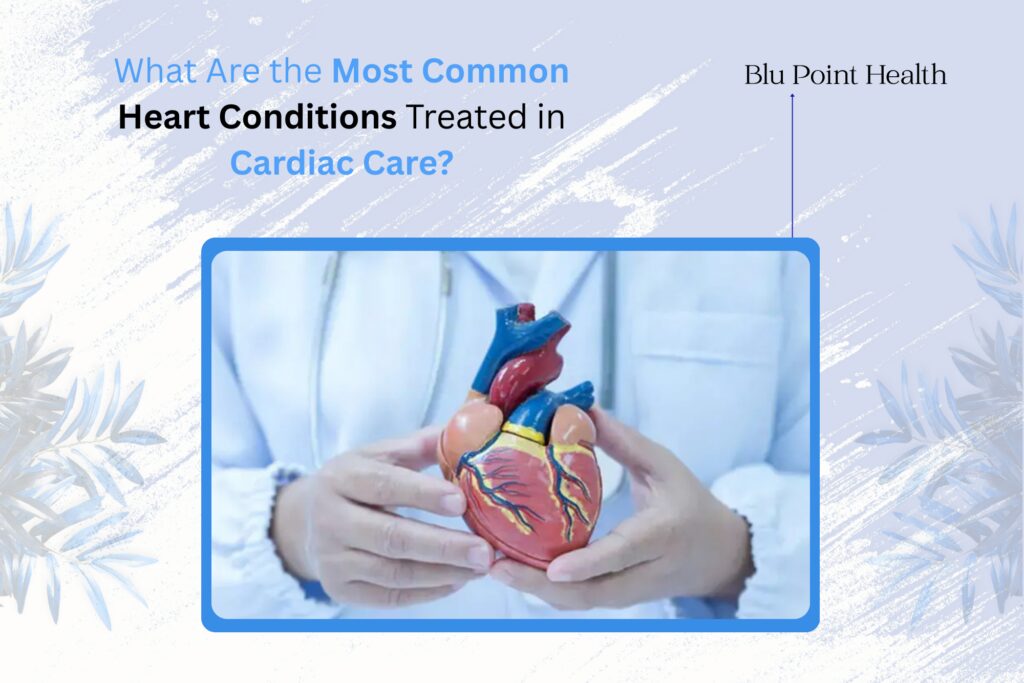
A strong heart helps the body live, move and grow. The heart pumps blood constantly, carrying oxygen and nutrients to the body. If your heart has a problem, you can feel weak or tired all over.
At Blu Point Health, we offer cardiac care. We provide testing, treatment and prevention to promote healthy living.
Below are some of the most common heart conditions treated in cardiac care.
Understanding Cardiac Care and Its Importance
Cardiac care focuses on the heart and blood vessels, addressing potential problems before they become serious.
Good cardiac care includes:
- Early diagnosis
- Accurate testing
- Personalized treatment plans
- Preventive care
- Long-term heart management
At Blu Point Health, our goal is to protect your heart and reduce the risk of serious events like heart attacks or stroke.
Most Common Heart Conditions Treated in Cardiac Care
High Blood Pressure
One of the most widespread heart diseases is high blood pressure or hypertension. It happens when blood surges excessively against the inner walls of the arteries.
Often called the “silent killer,” it may not show symptoms at first. However, it can slowly harm your heart, blood vessels and kidneys.
At Blu Point Health, our cardiac care program helps manage conditions by:
- Monitoring blood pressure regularly
- Prescribing safe medications when necessary
- Guiding healthy eating habits
- Encouraging daily physical activity
- Helping reduce stress
With the right plan many people control their blood pressure and protect their hearts for the long term.
Coronary Artery Disease (CAD)
Coronary artery disease is a condition that arises when the arteries which carry blood to the heart are narrowed or clogged by the deposition of the plaque, a mixture of fat, cholesterol and other materials.
Reduced circulation of blood may lead to chest pains and increase the risk of a heart attack.
Common symptoms include:
- Chest discomfort
- Shortness of breath
- Fatigue during physical activity
At Blu Point Health, we treat CAD with medications. We also provide lifestyle tips and regular check-ups. This helps blood flow and heart function. To support their heart health, each patient receives a personalized care plan.
Arrhythmias (Irregular Heartbeat)
Arrhythmias are when the heart beats either too quickly, too slowly, or too unevenly because of disturbances in the electrical conduction system of the heart.
Various patients experience fluttering in the chest and others feel dizzy, weak or out of breath.
Common types include:
- Excessive heart rate (tachycardia)
- Slow heartbeat (bradycardia)
- Skipped or irregular beats
Our cardiac specialists diagnose the underlying cause with tests, monitoring devices such as pacemakers, or scanning studies. This may be done by using medications, monitoring and lifestyle changes, which assist patients to live with a normal heart rate.
Heart Failure
Heart failure means the heart can’t pump blood properly. This reduces the supply of oxygen and nutrients to the body. It may grow slowly or subsequent to a heart attack.
Symptoms often include:
- Shortness of breath
- Swelling in legs or feet
- Fatigue
- Difficulty performing physical activities
At Blu Point Health, we focus on better heart function and less strain. Therapies involve drugs, changes in lifestyle and frequent monitoring. Continuous care helps us monitor progress and correct care accordingly.
Heart Valve Problems
The heart has four valves. Each valve controls blood flow. When a valve does not open fully or close properly, blood flow is affected, a condition known as heart valve disease.
Symptoms may include:
- Chest discomfort
- Shortness of breath
- Fatigue
- Leg swelling
At Blu Point Health, our specialists use imaging tests to evaluate valve function. Depending on severity, treatment may involve medication, monitoring, or advanced procedures. Early detection is key to preventing further heart damage.
Heart Attack Recovery and Ongoing Care
Recovery after a heart attack requires continuous support. The heart needs time to heal and ongoing care helps reduce the risk of another attack.
During recovery, at Blu Point Health, we focus on:
- Monitoring heart health
- Adjusting medications
- Supporting safe physical activity
- Encouraging heart healthy lifestyle change
With structured care, many patients regain strength, confidence and improved heart function.
Signs You May Need Cardiac Care
Pay attention to these warning signs:
- Chest pain or pressure
- Shortness of breath
- Irregular heartbeat
- Unusual fatigue
- Dizziness or fainting
- Swelling in legs or feet
Timely evaluation can stop major complications.
Schedule Your Cardiac Care Appointment
Your heart works every moment of your life. Giving it proper care helps protect your future health.
Blu Point Health provides expert cardiac care for patients in New York, NY and nationwide.
We have a committed staff that provides individualized care, proper diagnosis, prevention strategies and continuous care.
Make a step towards a better heart. Schedule your appointment.
FAQs
Q: Can kids have heart problems?
Some babies are born with heart problems and kids can develop them too. Early care is important.
Q: Is it safe to exercise with a heart condition?
Yes, under guidance. Blu Point Health specialists can design a safe exercise plan just for you. We consider your condition and abilities.